Discover Reasonably Priced Houses for Sale: Your Essential Guide to Discovering the Perfect Home
Locating an affordable house can be a intricate process. It demands careful planning and evaluation of numerous factors. Creating a clear budget is critical. Additionally, understanding the local real estate market can provide valuable insights. Establishing non-negotiable elements and preferred neighborhoods also plays an essential role. This journey may feel intimidating, but with the right guidance, one can navigate the path to homeownership smoothly. The next steps will illuminate how to approach this pursuit.
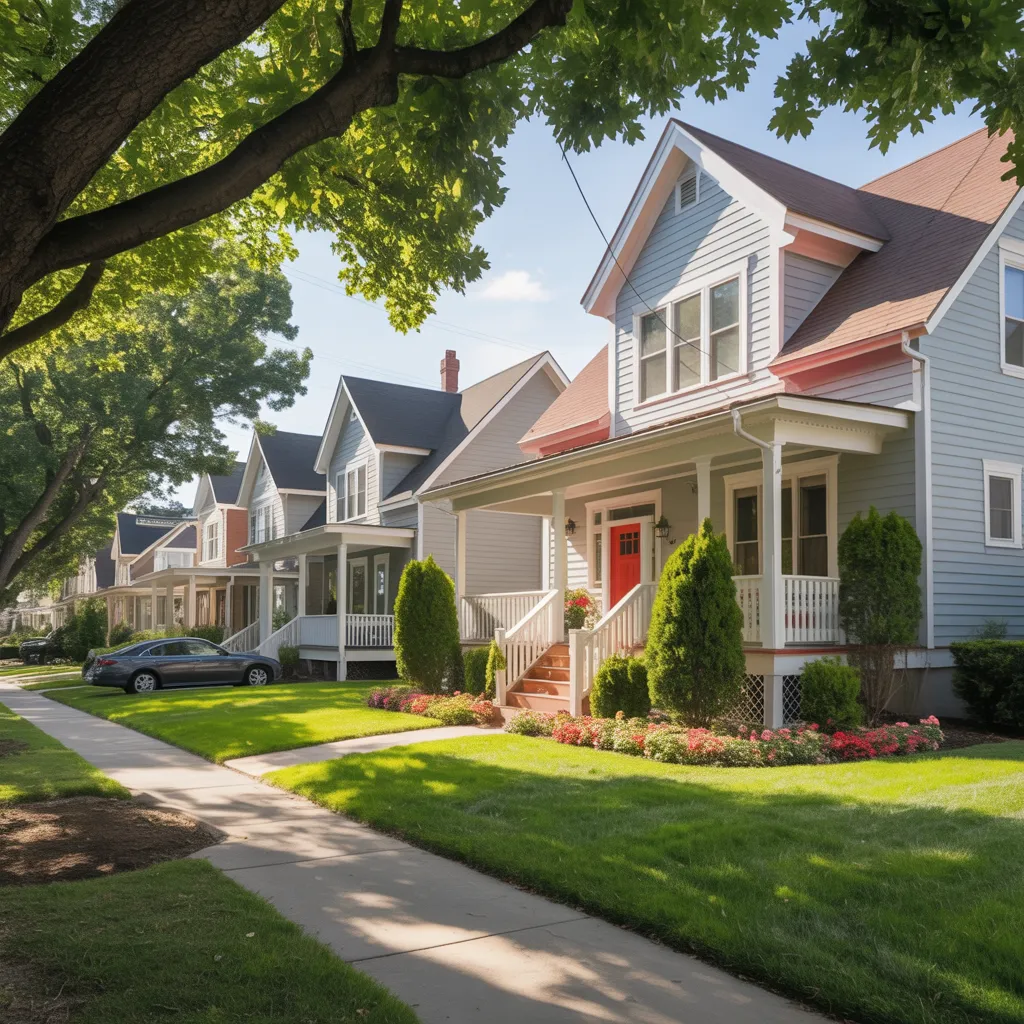
Grasping Your Spending Plan and Monetary Objectives
When considering the purchase of an affordable home, people must first evaluate their budget and financial goals to guarantee a sustainable investment. Creating a clear budget involves evaluating current income, expenses, and potential future earnings. This assessment enables identifying a comfortable price range for a house without overstretching financially.
Additionally, potential buyers should consider their future financial targets. This includes aspects such as saving for retirement, education, or unexpected expenses, which could be impacted by homeownership costs like mortgage payments, property taxes, and maintenance. By outlining these financial targets, prospective buyers can more clearly gauge what they can afford and sidestep financial strain.
Furthermore, it is crucial to take into account potential fluctuations in income or unexpected expenses. A well-defined financial plan enables buyers to make informed decisions, making sure that the home they pick aligns with both their current situation and future aspirations. This fundamental step is essential in the home-buying journey.
Exploring the Property Market
Prior to purchasing, it is vital for homebuyers to conduct detailed research on the real estate market to comprehend current trends and property values. This involves assessing multiple factors, such as local economic conditions, the demand for housing, and recent sales in the area. Homebuyers should utilize online resources, including real estate websites and market analysis tools, to obtain insights into price fluctuations and neighborhood dynamics.
Furthermore, attending open houses and interacting with local real estate agents can offer valuable information about specific properties and community developments. Property buyers should also consider analyzing historical data to recognize patterns that may impact future market behavior. By compiling this information, they can make informed decisions regarding pricing and timing. An understanding of the real estate market not only assists in negotiating better deals but also ensures that buyers are investing in a property with opportunity for appreciation.
Establishing Your Key Priorities and Deal Breakers
What crucial elements establish a buyer's ideal home? For many, these include a certain number of bedrooms and bathrooms, a well-designed kitchen, and outdoor space. Buyers may give preference to features such as a garage, proximity to schools, or a favorable layout that maximizes space and light. Identifying these must-haves is crucial in narrowing down options.
On the other hand, deal breakers can significantly impact the decision-making process. Frequent deal breakers often involve excessive renovation necessities, unfavorable locations, or properties with serious structural issues. Buyers should also consider lifestyle factors, such as noise levels or commute times, which can impact their overall satisfaction.
Discovering Diverse Neighborhoods
While exploring various neighborhoods, potential homebuyers should consider the available amenities and their impact on daily life. Easy access to parks, schools, and retail areas can greatly improve the living experience. Moreover, safety and security considerations are crucial in determining the desirability of a view now neighborhood.
Neighborhood Amenities Overview
Discovering numerous neighborhoods unveils a collection of amenities that cater to different lifestyles and preferences. Some neighborhoods offer vibrant parks and recreational areas, providing families with areas for outdoor activities and relaxation. Community centers commonly serve as hubs for social gatherings, presenting classes and events that encourage neighborly connections. Retail choices vary from local boutiques to larger shopping centers, securing residents have access to a selection of goods and services. Dining experiences can differ widely, from cozy cafés to upscale restaurants, accommodating different tastes. Additionally, proximity to public transportation can considerably boost convenience, making commuting more straightforward. All in all, the choice of neighborhood amenities holds a crucial role in shaping one's living experience and satisfaction in a new home.
Security and Safety Factors
Neighborhood amenities greatly contribute to residents' overall quality of life, however safety and security factors are equally important when considering potential homes. Prospective buyers should research crime statistics and trends in different neighborhoods to understand their safety levels. Engaging with local law enforcement and community organizations can provide insights into the area's security measures and neighborhood watch programs. Furthermore, visiting neighborhoods at different times of day can help assess the general atmosphere and safety. Features such as adequately lit pathways, maintained public spaces, and the presence of surveillance can demonstrate a commitment to safety. In the end, a safe environment not only improves personal security but also supports long-term satisfaction with a home purchase.
Guidelines for House Hunting and Property Viewings
While searching for a home, it is important for buyers to create a clear budget to guide their choices. Comprehensive research of neighborhoods can also deliver valuable insights into local amenities, schools, and market trends. By entering into the process with these strategies, potential homeowners can make informed choices that match their needs.
Prepare Your Budget
Developing a budget is crucial for individuals starting the journey of home searching and viewings. This process includes examining financial resources, including salary, savings, and existing debts. A well-defined budget helps buyers identify a realistic price range for prospective properties, taking into account not just the purchase price but also extra costs such as property taxes, insurance, and maintenance. It is prudent to factor in a contingency fund for surprise expenses that may come up during the house-purchasing process. Also, aspiring buyers should consider getting pre-approved for a mortgage, as this can provide a more precise picture of borrowing limits. By establishing a strong budget, homebuyers can enter their search with conviction, focusing on properties that align with their economic means.
Thoroughly Research Neighborhoods
Comprehending the dynamics of a neighborhood is crucial for homebuyers as they embark on the house hunting journey. A detailed analysis of the area can substantially influence buying decisions. Homebuyers should consider factors such as local amenities, schools, and public transportation options. Crime rates and neighborhood safety are also essential aspects to evaluate, as they impact long-term satisfaction and property values. Interacting with local residents can provide valuable insights into the community's culture and lifestyle. In addition, reviewing online resources and neighborhood reviews can help gauge the area's overall appeal. Ultimately, a well-informed choice about the neighborhood can lead to a more fulfilling homeownership experience and ensure that the property aligns with the buyer's lifestyle and future aspirations.
Navigating the Purchase Process
Steering through the buying process for affordable properties can be both exciting and challenging. Buyers must first determine their budget, taking into account not only the purchase price but also potential repairs, closing costs, and ongoing maintenance. After setting a budget, it is important to get pre-approved for a mortgage to understand financing options more clearly.
Following this, purchasers ought to work with a skilled real estate agent who concentrates on affordable properties. This professional can present knowledge about the local market and assist in finding suitable homes.
Future homeowners should also conduct thorough inspections and research property history to steer clear of future issues. Additionally, understanding the timeline of the purchasing process, including significant documents and critical timelines, is crucial. By staying organized and informed, buyers can navigate this complicated journey more smoothly, ensuring they find a home that meets their needs and budget.
Presenting an Offer and Sealing the Agreement
Placing a bid on a house is an essential stage in the acquisition process that demands careful consideration. Purchasers ought to begin by performing thorough research on the property and the local market to determine a fair price. It is advisable to consult with a real estate agent to prepare a compelling offer that conveys the buyer's interest while preserving room for negotiation.
This offer usually features the proposed price, contingencies, and timeframes for closing. Once submitted, the seller may accept, reject, or counter the offer, which can lead to further negotiations.
After reaching an agreement, the buyer and seller will enter into a purchase agreement. This document sets forth the terms of the sale and is legally binding. Next, the buyer must finish necessary inspections and obtain financing to conclude the deal. Closing entails signing documents and transferring ownership, signifying the exciting completion of the home acquisition journey.
FAQ
How Should I Find the Right Real Estate Agent?
Picking the right real estate agent involves examining their expertise, reading reviews, evaluating their communication approach, and confirming they grasp the client's needs. A strong fit can significantly enhance the property-buying or sales process.
What Are the Concealed Expenses of Purchasing a Home?
Hidden costs of purchasing a house include finalization expenses, property taxes, homeowners insurance, maintenance expenses, and possible repair work. Prospective owners should prepare for these additional expenses to avoid financial strain after the purchase is finalized.
How Do I Increase My Credit Score Quickly?
To boost a credit score rapidly, you should clear outstanding debts, decrease credit card balances, verify that bills are paid on time, refrain from new credit inquiries, and regularly check credit reports for errors.
What Information Should I Have About Home Inspections?
Home evaluations are necessary for detecting potential problems in a property. Buyers should be aware of building stability, plumbing, electrical systems, and pest infestations. A complete inspection can avoid costly repairs and provide informed purchasing decisions.
Can First-Time Buyers Find Available Programs?
Yes, numerous first-time homebuyer programs exist, offering financial assistance, grants, and beneficial mortgage terms. These programs aim to support individuals stepping into the housing market by making homeownership easier to achieve and more budget-friendly for new buyers.